Hanson Auto Spa

Blog

Your blog category

Paint Correction in Urbandale, IA | Hanson Auto Spa
Blog

What Is Paint Correction and How Does It Restore Your Vehicle’s Shine in Urbandale, IA?

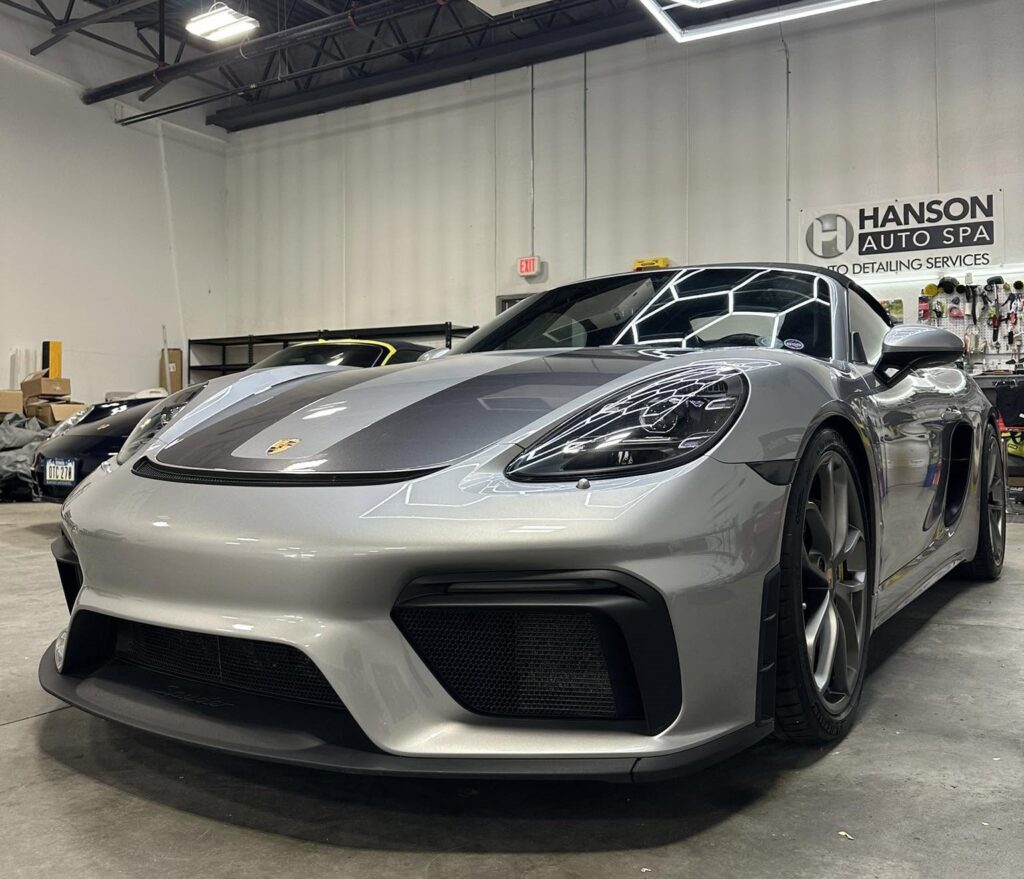
A vehicle can look clean after a regular wash, yet still have imperfections that affect its overall appearance. Over time, daily driving, harsh weather, improper washing techniques, road debris, and UV exposure can leave behind swirl marks, fine scratches, water spots, and faded paint. These issues gradually reduce the depth, clarity, and shine of your vehicle’s exterior. Paint correction is a professional detailing process designed to restore the appearance of your vehicle’s paint by reducing these imperfections and improving the finish. For drivers considering paint correction in Urbandale, IA, understanding how the process works can help them make the right decision for protecting and restoring their vehicle. At Hanson Auto Spa, the focus is not just on making vehicles look clean but on helping customers restore and maintain their vehicle’s appearance through professional detailing solutions. What Is Paint Correction? Paint correction is a specialized automotive detailing process that uses machine polishing techniques to remove or reduce imperfections from a vehicle’s clear coat. Unlike a basic car wash or standard cleaning service, paint correction focuses on improving the actual condition of the paint surface. During the process, professional detailers carefully polish the vehicle’s exterior to level out minor imperfections and restore a smoother, more reflective finish. The goal is to enhance paint clarity, increase gloss, and bring back the depth that vehicles often lose over time. Common issues addressed through professional paint correction include: Swirl marks Light scratches Oxidation Water spots Paint dullness Environmental contaminants A proper paint correction service requires experience, specialized tools, and knowledge of different paint types to achieve the best results without damaging the clear coat. What Problems Can Paint Correction Fix? Removing Swirl Marks and Fine Scratches Swirl marks are one of the most common reasons vehicle owners seek paint correction. These small circular scratches often appear after using automatic car washes, rough towels, or incorrect washing methods. Although these marks may seem minor, they reduce the way light reflects from your vehicle’s surface, making the paint appear dull or hazy. A professional paint correction service can significantly reduce the appearance of swirl marks and surface scratches by carefully polishing the clear coat. This process helps create a smoother surface that reflects more light and restores a cleaner appearance. Improving Oxidation and Dull Paint Vehicles that spend a lot of time outdoors are exposed to sunlight, changing temperatures, and environmental conditions. Over time, UV rays can cause oxidation, which makes paint appear faded, cloudy, or less vibrant. Paint correction helps restore the vehicle’s finish by removing damaged surface layers and refining the paint. This can bring back the shine and depth that your vehicle had when it was newer. For vehicle owners dealing with faded car paint restoration needs, professional correction can be an effective solution before applying additional protection. Eliminating Water Spots and Surface Contaminants Water spots, road grime, tree sap, and other contaminants can bond to your vehicle’s paint and affect its appearance. Normal washing often cannot completely remove these imperfections. Professional paint correction includes proper cleaning and surface preparation to remove these contaminants before polishing. This creates a smoother foundation and allows the paint to achieve a more reflective finish. How Does Paint Correction Restore Your Vehicle’s Shine? Paint correction involves several important steps to safely improve your vehicle’s exterior. Step 1: Vehicle Inspection and Paint Assessment Before beginning the process, a professional detailer evaluates the condition of the vehicle’s paint. This includes identifying: The type of imperfections present The level of correction required The condition of the clear coat Every vehicle is different, so the correction process should be customized based on the paint condition rather than using a one-size-fits-all approach. Step 2: Cleaning and Surface Preparation Before polishing begins, the vehicle must be thoroughly cleaned and prepared. Professional detailers remove dirt, road contaminants, and embedded particles that could interfere with the polishing process. Proper preparation is essential because polishing over contaminants can create additional imperfections instead of improving the finish. Step 3: Machine Polishing and Refinement The main stage of paint correction involves using professional polishing equipment and specialized compounds to refine the paint surface. Depending on the condition of the vehicle, the process may include: One-step paint correction Multi-stage paint correction Finishing polish for additional gloss The result is a smoother, clearer surface with improved shine and reflection. Paint Correction vs Car Polishing: What’s the Difference? Many vehicle owners confuse paint correction with regular car polishing, but they are not exactly the same. Car polishing is generally focused on improving gloss and removing very minor imperfections. Paint correction is a more advanced process designed to correct visible paint defects and restore the overall appearance of the vehicle. While polishing may improve the look of a vehicle temporarily, professional paint correction focuses on long-term improvement by refining the paint surface itself. For vehicles with noticeable swirl marks, scratches, or faded finishes, paint correction is usually the more effective solution. Is Paint Correction Worth It for Your Vehicle? Paint correction can be a valuable investment for vehicle owners who want to restore and protect their vehicle’s appearance. Some major benefits include: Restores Vehicle Appearance Paint correction improves gloss, clarity, and reflection, helping your vehicle look newer and better maintained. Helps Maintain Resale Value A clean, well-maintained exterior can create a stronger impression when selling or trading in your vehicle. Creates the Perfect Surface for Ceramic Coating Many customers choose ceramic coating after paint correction because the coating performs best when applied to a smooth, properly prepared surface. Combining paint correction with vehicle paint protection can help maintain the restored finish for longer. How Long Does Paint Correction Last? The results of paint correction depend on how well the vehicle is maintained after service. Factors that influence longevity include: Washing methods Environmental exposure Storage conditions Use of protective products Using proper washing techniques and adding protective services like ceramic coating can help preserve the improved finish and reduce future paint damage. Why Choose Hanson Auto Spa for Paint Correction in Urbandale, IA?
Top Ceramic Coating in Urbandale, IA | Hanson Auto Spa
Blog

How Long Does Ceramic Coating Last in Urbandale, IA?

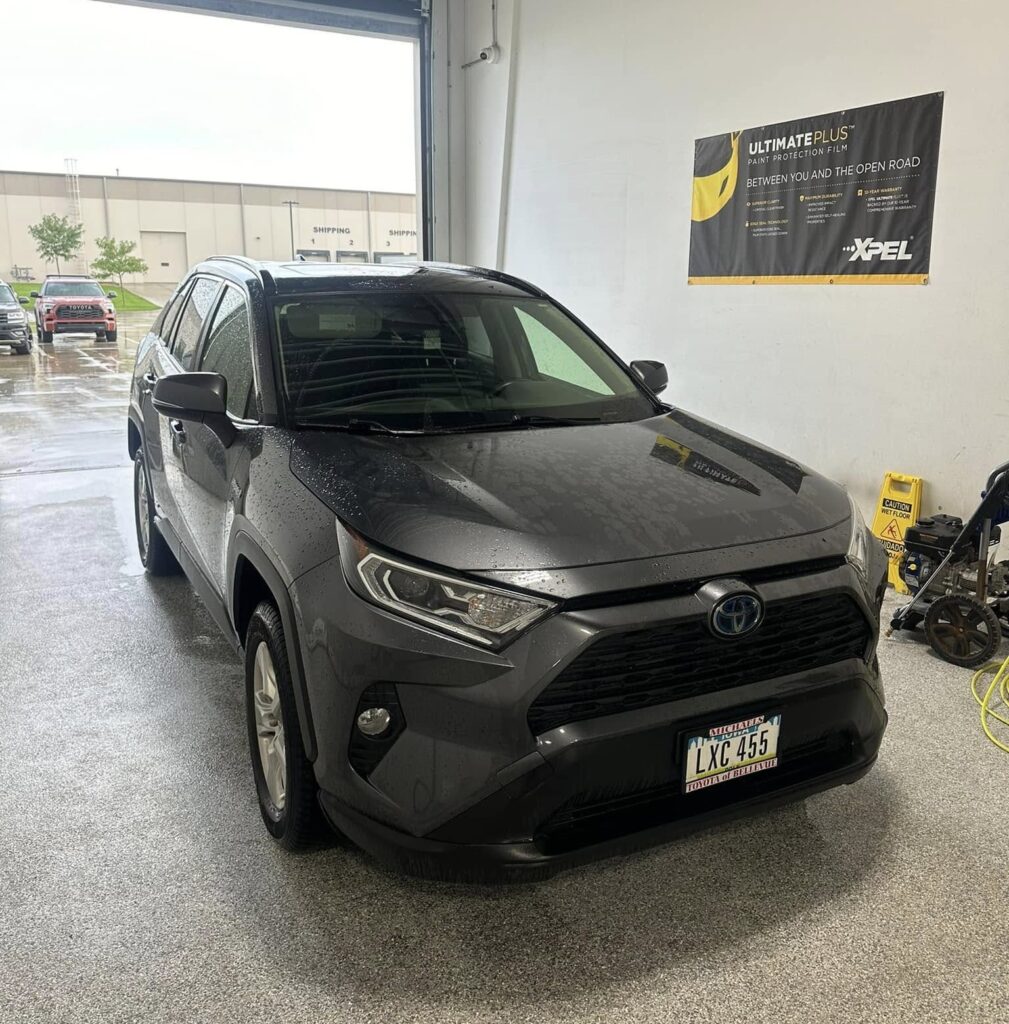
Drivers seeking durable paint protection often ask how long ceramic coating in Urbandale, IA really lasts. At Hanson Auto Spa, professional ceramic coating is designed to provide 1–3 years of protection with proper maintenance. Actual longevity depends on the coating, vehicle use, storage, washing habits, paint preparation, and exposure to Iowa weather. Ceramic coating is more than a shine product. It forms a semi-permanent protective layer over your vehicle’s exterior, helping repel water, dirt, road grime, UV exposure, and contaminants. For Urbandale drivers facing winter salt, changing temperatures, and summer sun, that protection can make routine care easier while helping maintain a glossy finish. What Is the Typical Ceramic Coating Lifespan? The ceramic coating lifespan varies because products and application methods are different. Hanson Auto Spa currently states that its professional coating can provide 1–3 years of protection when maintained correctly. Some professional coatings can last longer depending on the product, preparation, curing, mileage, storage, and maintenance. Industry guidance also places many professionally installed coatings in a multi-year range. However, an advertised lifespan is not a guarantee that every vehicle will perform identically. A daily-driven SUV parked outside in Iowa will experience more exposure than a weekend car stored in a garage. The best estimate should consider both the coating system and how the vehicle is used. What Affects the Lifespan of Ceramic Coating in Urbandale? Several factors determine how long ceramic coating lasts and how well it continues to perform. Iowa Weather and Road Salt Urbandale vehicles can face harsh winters, road salt, seasonal temperature changes, rain, and UV exposure. Hanson Auto Spa identifies these conditions as important reasons local vehicles benefit from added paint protection. A hydrophobic ceramic coating helps water and contaminants release more easily during washing. However, it does not make a vehicle maintenance-free. Salt, bird droppings, bugs, tree sap, and road grime should still be removed instead of remaining on the surface. Paint Preparation and Application Proper preparation is one of the biggest factors in ceramic coating durability. If contamination, oxidation, or paint defects remain before application, the coating may not bond as effectively. Hanson Auto Spa’s process includes exterior cleaning and decontamination, paint correction when needed, surface preparation, careful coating application, and controlled curing. Good preparation gives the coating a clean surface on which to bond. Professional vs. DIY Ceramic Coating A professional ceramic coating differs from many quick ceramic sprays made for home use. Consumer sprays generally offer shorter-term surface protection, while professional coatings are designed to bond to properly prepared paint and cure correctly. Current industry comparisons also show substantial durability differences between topical spray coatings, consumer bonded coatings, and professionally installed coatings. When comparing DIY ceramic coating vs. professional ceramic coating, consider more than the product. Preparation, application consistency, curing, and aftercare can all affect the result. Driving, Parking, and Maintenance Mileage and storage matter. A garage-kept vehicle generally experiences less exposure than one parked outside every day. Frequent highway driving can also mean more bugs, dirt, winter grime, and environmental contamination. Regular ceramic coating maintenance is equally important. Safe washing helps remove contamination before it builds up and interferes with the coating’s hydrophobic behavior. How Can You Make Ceramic Coating Last Longer? To extend your coating’s useful life, wash the vehicle regularly, especially after road-salt or heavy grime exposure. Use automotive wash products suitable for coated paint, clean microfiber towels, and safe wash methods. Remove bird droppings, bugs, and tree sap promptly, and avoid unnecessary abrasive products or harsh chemicals. Reduced water beading does not always mean the coating is gone. Bonded contamination or mineral buildup can sometimes mask hydrophobic behavior. A professional cleaning may restore performance. Following your installer’s specific aftercare recommendations is the best way to protect your investment. How Do You Know When Ceramic Coating Is Wearing Off? Ceramic coating usually loses performance gradually rather than disappearing overnight. You may notice that water no longer beads or sheets as effectively, dirt becomes harder to wash away, the surface feels less slick, or gloss appears weaker after cleaning. Different panels may also begin to perform differently. Before assuming the coating has failed, have the vehicle thoroughly cleaned and evaluated. If the coating has reached the end of its service life, a professional detailer can recommend decontamination, polishing, maintenance treatment, or a new application. Is Ceramic Coating Worth It for Urbandale Drivers? For many daily drivers, ceramic coating for cars can be worthwhile when the goal is easier cleaning, durable gloss, and better resistance to common environmental contaminants. Hanson Auto Spa highlights benefits including hydrophobic performance, UV protection, resistance to chemical staining, and protection from contaminants such as bird droppings, tree sap, bugs, and road chemicals. Depending on the option selected, coatings may also be applied to paint, wheels, glass, and trim. Ceramic coating should not be confused with paint protection film. It does not make a vehicle scratch-proof, and it does not remove the need for regular washing. Its value comes from adding a durable protective surface that makes ongoing exterior care easier. Should You Get Paint Correction Before Ceramic Coating? Paint correction before ceramic coating is often useful when a vehicle already has swirl marks, haze, oxidation, or other visible imperfections. Ceramic coating can enhance gloss, but it does not remove existing defects. Applying a coating over poorly prepared paint may leave those imperfections visible beneath the protective layer. Hanson Auto Spa includes paint correction when needed as part of its coating preparation process. For older vehicles or cars that have been through repeated automatic washes, evaluating the paint first can produce a cleaner final result. Why Choose Hanson Auto Spa for Ceramic Coating in Urbandale, IA? Hanson Auto Spa provides professional detailing and paint-protection services in Urbandale. Owner Todd Hanson brings decades of automotive passion and hands-on experience, while the business emphasizes careful preparation and personal attention. Its coating process includes deep exterior cleaning, decontamination, paint correction when needed, surface preparation, professional application, and controlled curing. Hanson Auto Spa also offers related services such as

Professional Auto Detailing in Urbandale, IA by Hanson Auto Spa
Blog

Is Professional Auto Detailing Worth It for Your Car in Urbandale, IA?

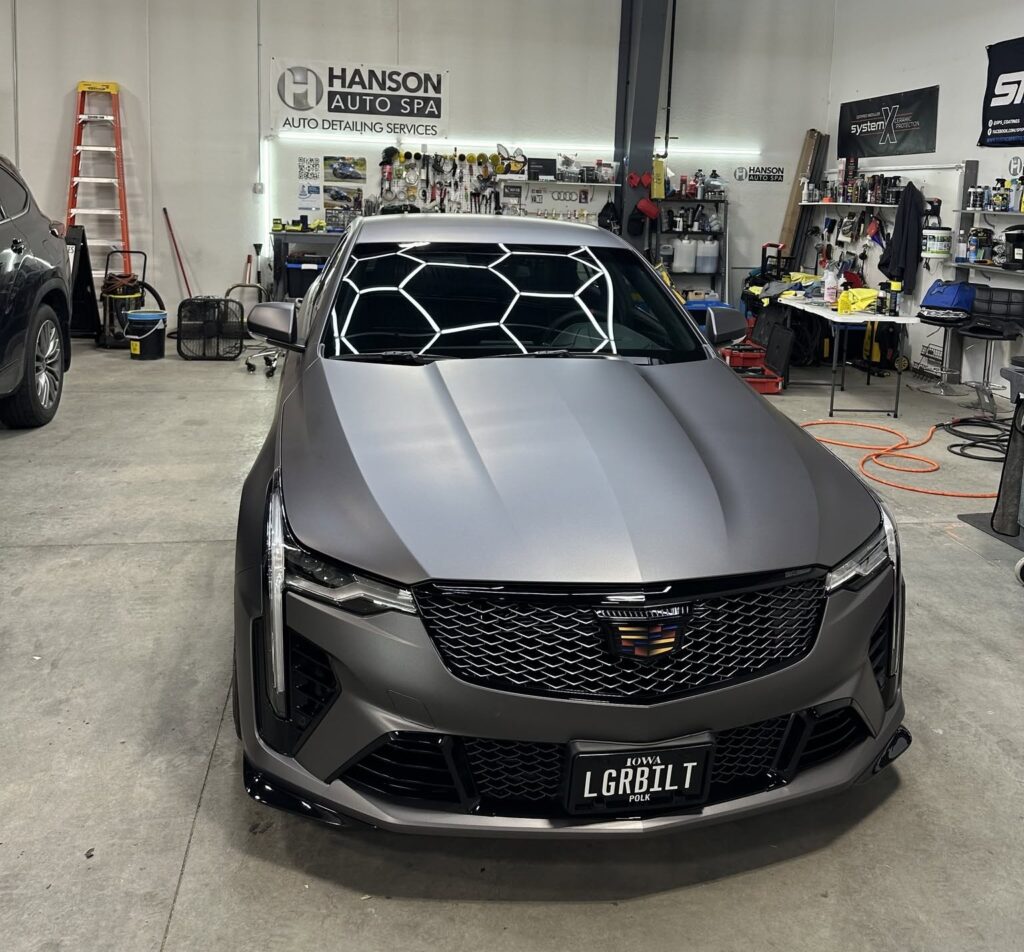
Yes, professional auto detailing in Urbandale, IA is worth it because it protects your vehicle’s paint, extends the life of your interior, improves resale value, and helps your car withstand Iowa’s changing weather. Most vehicles benefit from professional detailing every four to six months, depending on driving habits and environmental exposure. At Hanson Auto Spa, every vehicle receives personalized care using professional-grade products and proven detailing techniques. Whether you drive a family SUV, a luxury sedan, a work truck, or your daily commuter, professional detailing is an investment that delivers long-term value. What Is Professional Auto Detailing? Many people think detailing is simply an upgraded car wash, but it’s much more comprehensive. Professional auto detailing in Urbandale, IA is a complete cleaning, restoration, and protection process that helps maintain your vehicle’s condition inside and out. More Than a Standard Car Wash A traditional car wash removes surface dirt from your vehicle’s exterior. In contrast, professional car detailing addresses dirt, contaminants, stains, and wear throughout the entire vehicle using specialized equipment and automotive-safe products. Professional auto detailing services often include: Exterior hand wash and drying Wheel and tire cleaning Paint decontamination Interior vacuuming Carpet shampooing Leather conditioning Window and glass cleaning Engine bay cleaning Interior surface cleaning Paint protection treatments The result is a cleaner, healthier, and better-protected vehicle that looks closer to showroom condition. Why Is Professional Auto Detailing Worth It? Professional detailing is about more than appearance. It helps protect one of your biggest investments while making your vehicle easier to maintain throughout the year. It Protects Your Vehicle’s Paint Your vehicle is exposed to: Road grime Tree sap Bird droppings Brake dust UV rays Rain and road salt These contaminants can gradually damage your paint if left untreated. At Hanson Auto Spa, it’s common to see vehicles with embedded contaminants, dull finishes, and swirl marks caused by improper washing techniques. Professional detailing safely removes these contaminants before they cause long-term damage. Benefits include: Removing bonded contaminants Restoring gloss and clarity Reducing light swirl marks Preparing paint for paint correction services Extending the life of your paint For even greater protection, many drivers choose ceramic coating or paint sealant after detailing to create a durable protective barrier against the elements. It Creates a Cleaner, Healthier Interior Your vehicle’s interior collects more than visible dirt. Dust, pollen, bacteria, food particles, pet hair, and allergens can build up over time, especially in carpets, seats, vents, and other hard-to-reach areas. Professional car interior cleaning includes deep cleaning techniques that help: Remove stains Eliminate odors Reduce allergens Restore carpets and upholstery Condition leather to prevent cracking Improve overall driving comfort A professionally detailed interior not only looks better but also creates a cleaner environment for you and your passengers. It Helps Preserve Resale Value One of the biggest car detailing benefits is protecting your vehicle’s long-term value. Potential buyers often judge a vehicle by its appearance before anything else. Clean paint, fresh interiors, and well-maintained surfaces signal that the vehicle has been properly cared for. Whether you’re planning to sell your vehicle next month or several years from now, regular vehicle detailing helps preserve its condition and market appeal. How Does Iowa Weather Affect Your Vehicle? Living in Iowa means your vehicle experiences all four seasons, each bringing unique challenges. Winter Road Salt Road salt improves driving safety during winter but can: Accelerate corrosion Damage paint Affect wheels Harm the undercarriage Professional detailing removes salt buildup before it causes permanent damage. Summer UV Rays Prolonged sunlight can: Fade paint Dry plastic trim Crack leather interiors Reduce exterior gloss Professional detailing combined with paint protection, ceramic coating, or paint sealant helps reduce UV damage while keeping your vehicle looking newer. Rain, Mud, and Road Debris Rainwater, mud, and airborne contaminants can cling to your vehicle’s finish. Routine detailing safely removes these contaminants while protecting your paint from premature wear. How Often Should You Get Professional Auto Detailing? One of the most frequently asked questions is: How often should you detail your car? For most drivers, scheduling professional auto detailing in Urbandale, IA every four to six months provides excellent protection. More frequent detailing may be beneficial if you: Drive every day Park outdoors Own pets Have young children Frequently drive gravel roads Travel long distances Many Iowa drivers also schedule detailing before winter and again after winter to remove salt and prepare their vehicles for seasonal changes. DIY Car Cleaning vs. Professional Auto Detailing Many vehicle owners enjoy washing their cars at home, but DIY cleaning has limitations. DIY Cleaning Home car washing generally includes: Soap and water Basic towels Household cleaning products While useful for routine maintenance, DIY methods often leave behind contaminants that gradually affect paint and interior materials. Improper washing can also introduce swirl marks by rubbing dirt particles across the paint. Professional Auto Detailing Choosing professional detailing vs DIY offers several advantages. Professional detailers use: Specialized equipment Automotive-safe cleaning products Paint-safe washing techniques Professional polishing tools High-quality protective products The result is a deeper clean, better paint protection, and longer-lasting results that are difficult to achieve at home. Why Choose Hanson Auto Spa? When searching for professional auto detailing in Urbandale, IA, experience matters. Hanson Auto Spa proudly serves drivers throughout Urbandale, Des Moines, Clive, Johnston, Waukee, West Des Moines, and nearby communities with premium detailing services designed to restore and protect every vehicle. Customers choose Hanson Auto Spa because of: Decades of automotive passion Owner-operated, personalized service Attention to detail Professional-grade products Proven detailing techniques Consistent, high-quality workmanship Comprehensive services include: Ceramic coating Paint correction Full auto detailing services Exterior wash Interior detailing Headlight restoration Engine bay cleaning Leather conditioning Carpet shampooing Tire cleaning Every service is tailored to help your vehicle achieve a clean, protected, and showroom-quality finish. Frequently Asked Questions Is professional auto detailing worth the money? Yes. It protects your vehicle, improves appearance, extends the life of interior and exterior surfaces, and helps maintain resale value. Is professional detailing better than a car wash? Yes.

Best Paint Correction in Urbandale, IA | Hanson Auto Spa
Blog

Paint Correction in Urbandale, IA: How It Removes Swirl Marks and Light Scratches

Paint correction in Urbandale, IA is one of the best ways to restore your vehicle’s shine when the paint starts looking dull, scratched, or covered with swirl marks. Over time, daily driving, improper washing, road grime, automatic car washes, and Iowa weather can leave fine defects on your vehicle’s clear coat. These marks may seem small, but they can make your car look older and less cared for. At Hanson Auto Spa, professional paint correction is designed to improve your vehicle’s appearance by reducing swirl marks, light scratches, oxidation, haze, and dullness. The goal is to restore gloss, clarity, and depth so your car looks cleaner, newer, and better protected. What Is Paint Correction? Car paint correction is a professional polishing process that removes or reduces defects from the clear coat of your vehicle’s paint. It is different from a basic car wash or quick wax because it works directly on the paint surface. A normal wash removes dirt from the outside of the car. Paint correction goes deeper by using polishing machines, pads, and compounds to safely improve the finish. This process helps restore the smooth, glossy look that many vehicles lose over time. Paint Correction Is More Than a Regular Car Wash A regular car wash can clean the surface, but it will not remove swirl marks, light scratches, oxidation, or paint haze. In some cases, poor washing methods can even create more scratches. Professional car polishing and clear coat correction help repair the appearance of the paint instead of simply covering the problem. That is why many drivers searching for paint correction are looking for a real solution, not just temporary shine. What Causes Swirl Marks and Light Scratches? Swirl marks are fine circular scratches that often become visible under sunlight or bright lights. They are usually caused by improper washing, drying, or wiping. Improper Washing and Drying Dirty towels, rough sponges, old wash mitts, and dry wiping can all create tiny scratches on the paint. These scratches sit in the clear coat and reflect light unevenly, which creates the common swirl-mark effect. Automatic Car Washes Brush-style automatic car washes can also cause swirl marks, especially if the brushes are dirty or too aggressive. Dark-colored vehicles often show these marks more clearly, but any vehicle can be affected. Iowa Weather and Road Conditions Drivers in Urbandale and Des Moines also deal with road salt, dust, rain, snow, and seasonal temperature changes. These conditions can leave contaminants on the paint and slowly reduce gloss. Regular auto detailing in Urbandale IA and proper vehicle paint protection can help reduce long-term damage. How Does Paint Correction Remove Swirl Marks and Light Scratches? Paint correction removes defects through a careful step-by-step process. The goal is to clean, inspect, polish, and refine the paint safely. Step 1: Vehicle Wash and Surface Decontamination Before correction begins, the vehicle must be washed properly. Dirt, grime, road film, and loose contaminants need to be removed from the surface. If the paint is not cleaned first, polishing can drag dirt across the surface and create more scratches. A professional detailer may also remove embedded contaminants that a regular wash cannot fully clean. This gives the paint a smooth surface for polishing. Step 2: Paint Inspection After washing, the paint is inspected under proper lighting. This helps identify swirl marks, light scratches, oxidation, water spots, and dull areas. Every vehicle is different, so this step is important for choosing the right polishing method. Some cars only need light polishing, while others may need more advanced paint restoration to bring back gloss and clarity. Step 3: Machine Polishing and Clear Coat Leveling Most swirl marks and light scratches are located in the clear coat, which is the top protective layer of the paint. During light scratch removal, a polishing machine, pad, and compound are used to safely level the clear coat around the defect. This does not mean removing large amounts of paint. Instead, the process carefully smooths the surface so light reflects more evenly. As a result, swirl marks become much less visible or are removed completely, depending on the depth of the defect. Step 4: Refining the Paint for Gloss and Clarity After the correction stage, a finer polish may be used to refine the finish. This step improves gloss, depth, and reflection. The result is a cleaner, sharper, more mirror-like appearance. This is where car paint polishing makes a noticeable difference. The vehicle can go from dull and hazy to smooth, glossy, and showroom-ready. Can Paint Correction Remove All Scratches? Paint correction is highly effective for swirl marks, light scratches, haze, oxidation, and minor clear coat defects. However, it may not remove every scratch. Light Scratches vs. Deep Scratches If a scratch is only in the clear coat, paint correction can often reduce or remove it. But if the scratch is deep enough to reach the base coat or primer, polishing alone may not fully fix it. A simple way to understand this is: if your fingernail catches deeply in the scratch, it may be too deep for full correction. In that case, a professional inspection is the best way to know what results are realistic. Paint Correction vs. Waxing: What Is the Difference? Waxing and paint correction are not the same thing. Wax adds temporary shine and protection on top of the paint. It may make the vehicle look better for a short time, but it does not truly remove swirl marks or scratches. Paint correction improves the paint surface itself. It reduces defects before any protection is applied. This is why paint correction in Urbandale IA is a smart choice for drivers who want long-lasting improvement, not just a quick cover-up. Should You Get Paint Correction Before Ceramic Coating? Yes, paint correction is often recommended before ceramic coating or paint sealant. If ceramic coating is applied over swirl marks, scratches, or dull paint, those imperfections can still show underneath the coating. Why Correction Comes Before Protection Paint correction prepares the surface by

Scroll to Top